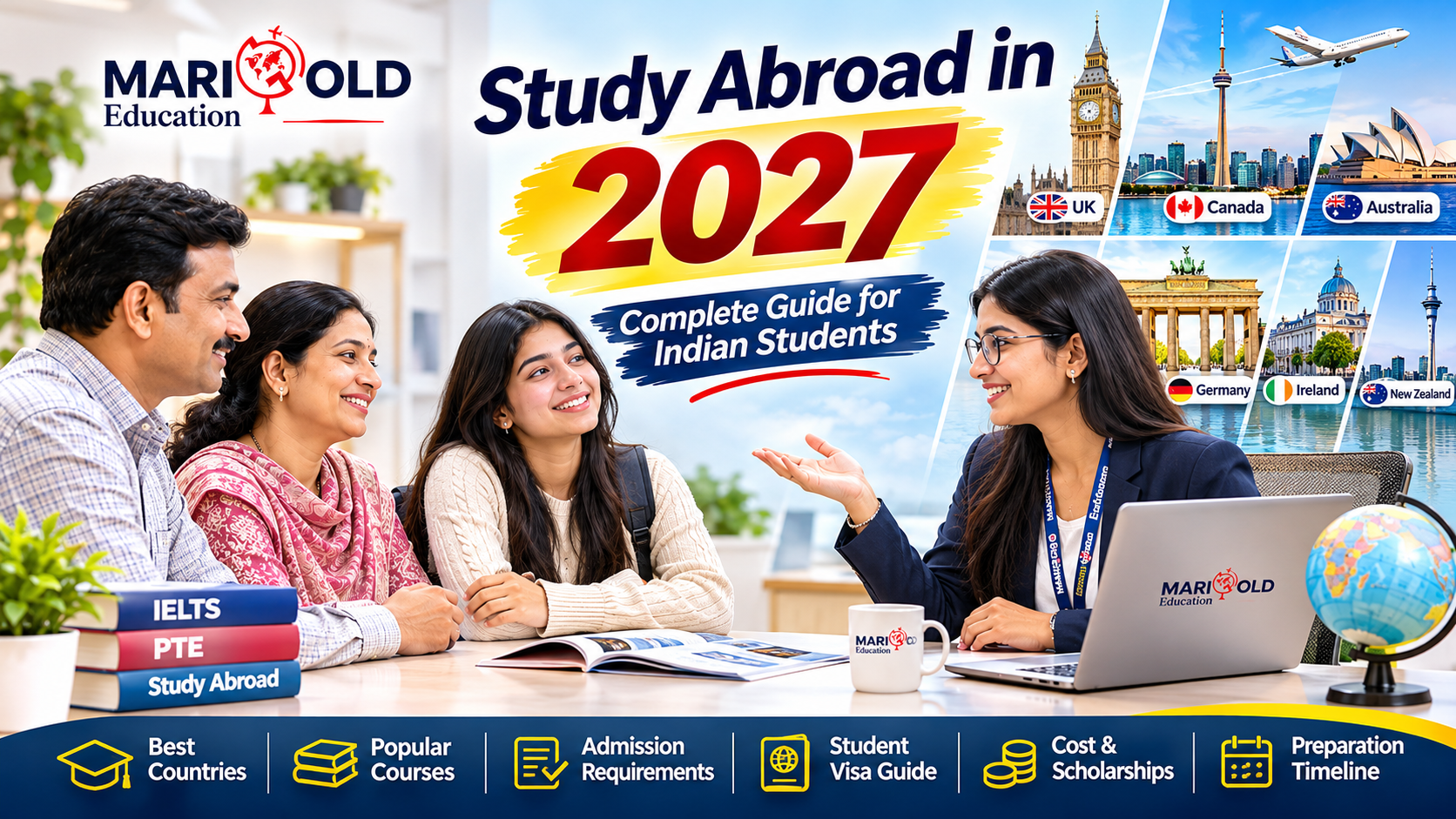
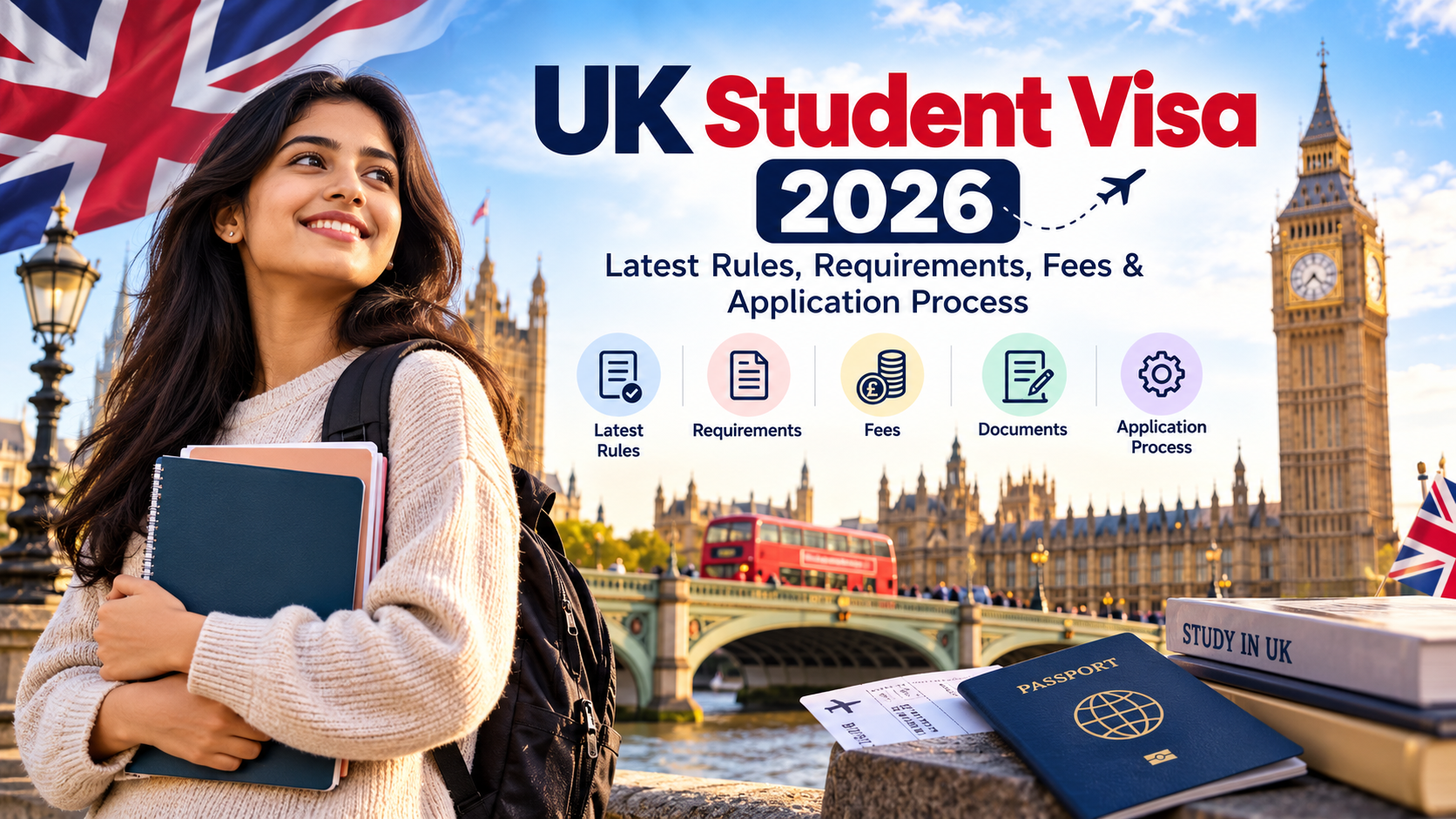
Studying abroad is more than earning an international degree. It is an opportunity to experience different cultures, develop valuable skills, build international connections and prepare for a successful global career. With universities offering diverse programmes and students exploring destinations beyond traditional choices, 2027 is an exciting time to consider overseas education. For Indian students planning to study abroad in 2027, choosing the right country, university and course is essential. Understanding admission requirements, English language tests, tuition fees, scholarships and student visa procedures can make the journey much easier. Whether you have completed Class 12, recently graduated or are planning a postgraduate degree, this guide will help you understand how to plan your study abroad journey. 1. Why Should Indian Students Consider Studying Abroad in 2027? International education offers opportunities that go beyond classroom learning. Students gain exposure to modern teaching methods, international industries and multicultural environments. Here are some important reasons to consider studying overseas: Globally Recognised Qualifications: Earn a degree from an internationally recognised university and explore career opportunities across different markets. Practical Learning: Many international institutions emphasise industry projects, internships, research and practical experience. International Exposure: Interact with students from different backgrounds and develop communication and cross-cultural skills. Career Development: Build professional networks and explore eligible post-study employment opportunities. Personal Growth: Living independently in another country can improve confidence, adaptability and problem-solving abilities. However, choosing a destination should involve careful financial planning and realistic career expectations. 2. Best Countries to Study Abroad in 2027 Selecting the right destination is one of the most important decisions for international students. Consider tuition fees, living expenses, course availability, university reputation and post-study opportunities. Some popular study abroad destinations for Indian students include: United Kingdom The UK remains a popular choice for undergraduate and postgraduate education. Its universities offer diverse programmes, internationally recognised qualifications and several one-year master’s options. Popular courses include Business Management, Data Science, Engineering, Finance, Healthcare and Computer Science. Canada Canada attracts students through its multicultural environment, established universities and diverse academic programmes. Students should carefully review study permit requirements, institutional eligibility and Post-Graduation Work Permit (PGWP) rules before selecting a course. Australia Australia offers internationally recognised qualifications, research opportunities and a welcoming student environment. Business, Information Technology, Nursing, Engineering and Hospitality are among the fields students commonly explore. Germany Germany is an attractive destination for students interested in Engineering, Technology, Research and Management. Several public universities offer comparatively low tuition fees, although semester contributions, living costs and programme-specific requirements still apply. Ireland Ireland is increasingly considered by Indian students interested in Technology, Business, Pharmaceuticals and Finance. Its universities and colleges offer various undergraduate and postgraduate programmes. New Zealand New Zealand provides opportunities in Business, Agriculture, Information Technology, Healthcare and Engineering. Students can explore its universities and other eligible education providers based on their academic and career interests. There is no single best country for everyone. The right destination depends on your academic background, budget, preferred course and future plans. 3. Popular Courses to Study Abroad in 2027 Choosing a course based only on its popularity can be a mistake. Students should consider their interests, previous qualifications and the skills required in their preferred industry. Some popular study areas include: Information Technology: Artificial Intelligence, Cybersecurity, Data Science and Software Development. Business and Management: International Business, Marketing, Finance and Business Analytics. Engineering: Mechanical, Civil, Electrical and Renewable Energy Engineering. Healthcare: Nursing, Public Health, Healthcare Management and related specialisations. Hospitality and Tourism: Hotel Management, Tourism Management and International Hospitality. Creative Industries: Graphic Design, Digital Media, Animation and Communication. Before applying, review the course curriculum, internship opportunities, professional accreditation and graduate employment outcomes. 4. What Are the Eligibility Requirements to Study Abroad? Admission requirements differ between countries, universities and academic programmes. However, Indian students generally need to prepare the following: Academic Qualifications: Students applying after Class 12 must meet the university’s minimum academic requirements. Postgraduate applicants generally need a recognised bachelor’s degree in a relevant discipline. English Language Proficiency: Many universities require proof of English language ability through IELTS, PTE Academic, TOEFL or another accepted assessment. Statement of Purpose (SOP): An SOP explains your academic background, reasons for selecting the course and university, and future career objectives. Letters of Recommendation: Some postgraduate programmes require academic or professional recommendation letters. Work Experience: Certain master’s programmes, particularly MBA courses, may require relevant professional experience. Always check the university’s official admission criteria before submitting your application. 5. IELTS and PTE: Are English Language Tests Necessary? English language proficiency is an important part of the study abroad application process. IELTS and PTE Academic are widely recognised English language assessments, although acceptance and minimum score requirements vary by institution and programme. IELTS evaluates four skills: Listening, Reading, Writing and Speaking. PTE Academic also assesses these four language skills through a computer-based examination. Students should: Check the required English test and minimum scores for their selected university. Understand individual section score requirements. Practise regularly using official preparation materials. Take mock tests to identify areas requiring improvement. Book their examination early enough to meet admission deadlines. Some universities may offer alternative English language assessments or exemptions under specific conditions. Students should confirm eligibility directly with their chosen institution. 6. How Much Does It Cost to Study Abroad in 2027? The total cost of overseas education depends on the country, university, course duration and lifestyle. Students should consider the following expenses when preparing their study abroad budget: University application fees. Tuition fees and deposits. Accommodation and living expenses. Food and transportation. Health insurance. English language examination fees. Student visa application charges. Travel and initial settlement expenses. Do not calculate your budget using tuition fees alone. Accommodation, healthcare, transportation and other daily expenses can significantly affect your overall spending. Students can also explore scholarships, education loans and university-specific financial assistance to manage their expenses. 7. Student Visa Requirements for Indian Students After receiving an admission offer, students must prepare for the student visa application process. Although requirements vary by destination, common documents include: Valid passport. University offer letter or admission