
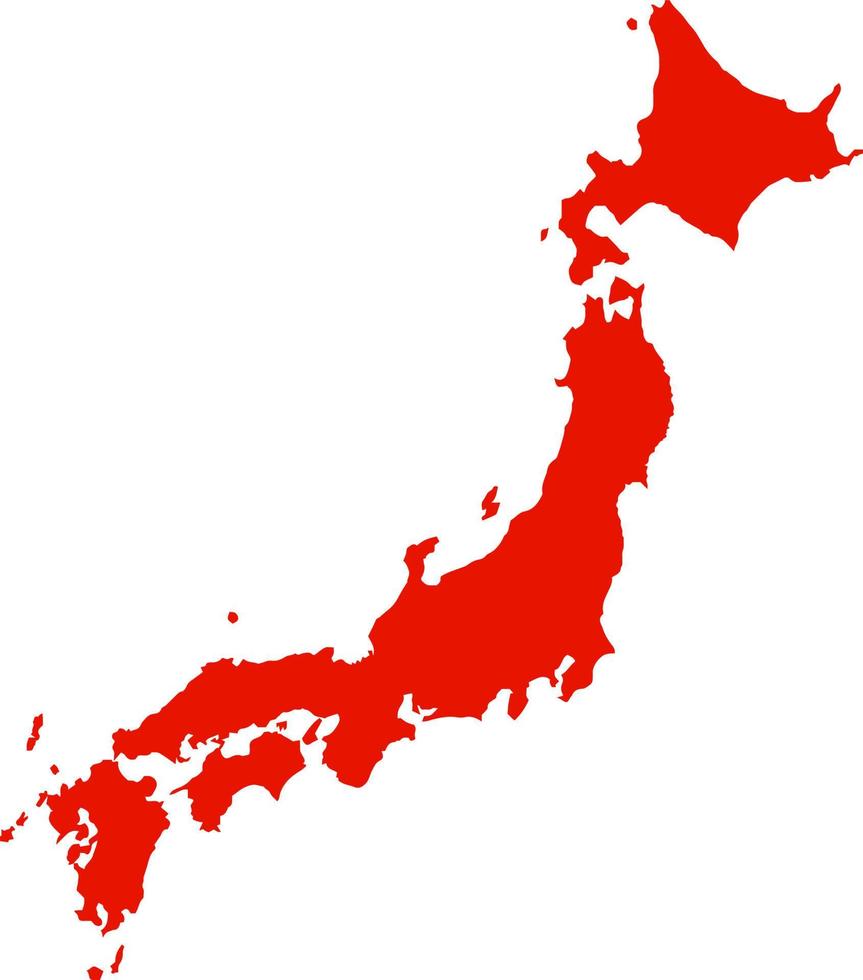
Why Study in Japan?
Planning to study in Japan from India? Japan offers world-class education, advanced technology exposure, and excellent career opportunities in a safe and innovative environment.
- Globally Ranked Universities known for robotics, AI, engineering, business & research
- High Academic Standards regulated by MEXT (Ministry of Education, Japan)
- Affordable Tuition Fees compared to the USA, UK, and Australia
- English-Taught Programs available at top universities
- Strong Research & Industry Collaboration with global companies like Toyota, Sony & Panasonic
- Part-Time Work Allowed up to 28 hours per week during studies
- Post-Study Work Opportunities in technology, automotive, research & management sectors
- Scholarships Available including MEXT Government Scholarships & university grants
- Safe & Culturally Rich Country with high quality of life
Admission Intakes in Japan
Japanese universities follow a structured academic calendar with clearly defined admission cycles. If you are planning to study in Japan from India, selecting the right intake is important for university applications, language preparation, and Japan Student Visa (COE) processing.
April Intake (Main Intake)
The primary and largest intake in Japan. Offers the widest range of undergraduate, postgraduate, research, and Japanese-taught programs. Application deadlines usually fall between September – December of the previous year.
September / October Intake
Popular among international students, especially for English-taught programs. Ideal for students who miss the April cycle. Applications typically close between February – May.
January Intake (Limited)
Available mainly for Japanese language schools and select vocational programs. Suitable for students seeking faster entry into language preparation pathways.


Admission Requirements to Study in Japan
To secure admission at a Japanese university, vocational college, or language institute, students planning to study in Japan from India must meet the following general requirements. Criteria may vary depending on the program and institution.
- Academic Transcripts from Class 10, 12, Diploma, or Bachelor’s degree
- Language Proficiency: IELTS / TOEFL for English-taught programs OR JLPT (N5–N2 level depending on course) for Japanese-taught programs
- EJU Examination (if required) – Some undergraduate programs require the Examination for Japanese University Admission (EJU).
- Statement of Purpose (SOP) outlining academic goals and future career plans
- Letters of Recommendation (for selective or postgraduate programs)
- Updated Resume/CV (mandatory for master’s & research-based programs)
- Portfolio for design, architecture, animation, and creative programs
- Valid Passport with sufficient validity
- Proof of Funds demonstrating ability to cover tuition fees and living expenses (generally approx. ¥1,000,000+ per year for living costs)
- Certificate of Eligibility (COE) issued by the Japanese institution – mandatory for Japan Student Visa application
Early preparation is recommended, as the COE processing time can take 1–3 months before visa filing at the Japanese Embassy.
Top Career Ready Courses in Japan
Your Pathway to Study in Japan
Personalized Guidance
Get expert counselling to choose the right course, university, and study pathway in Japan
University Shortlist
Top Japanese universities and institutions shortlisted based on your profile and goals
Admission Support
End-to-end support for applications, documentation, and Certificate of Eligibility (COE)
Visa Assistance
Complete Japan student visa support including SOP, financials, and immigration compliance